 Orange Tiny Homes
The parts of Orange County that still have room
Out past the subdivisions there's a different Florida — the homestead towns, the old groves, the cattle land, the places built on big lots where people spread out and put up whatever they needed out back. We got a little obsessed with how those places came to be. Every one is a picture story, and every one ends where we live now: that room out back is where a granny flat, a guest house, or a tiny home goes today. Tap a photo and read.
 Read the full story →
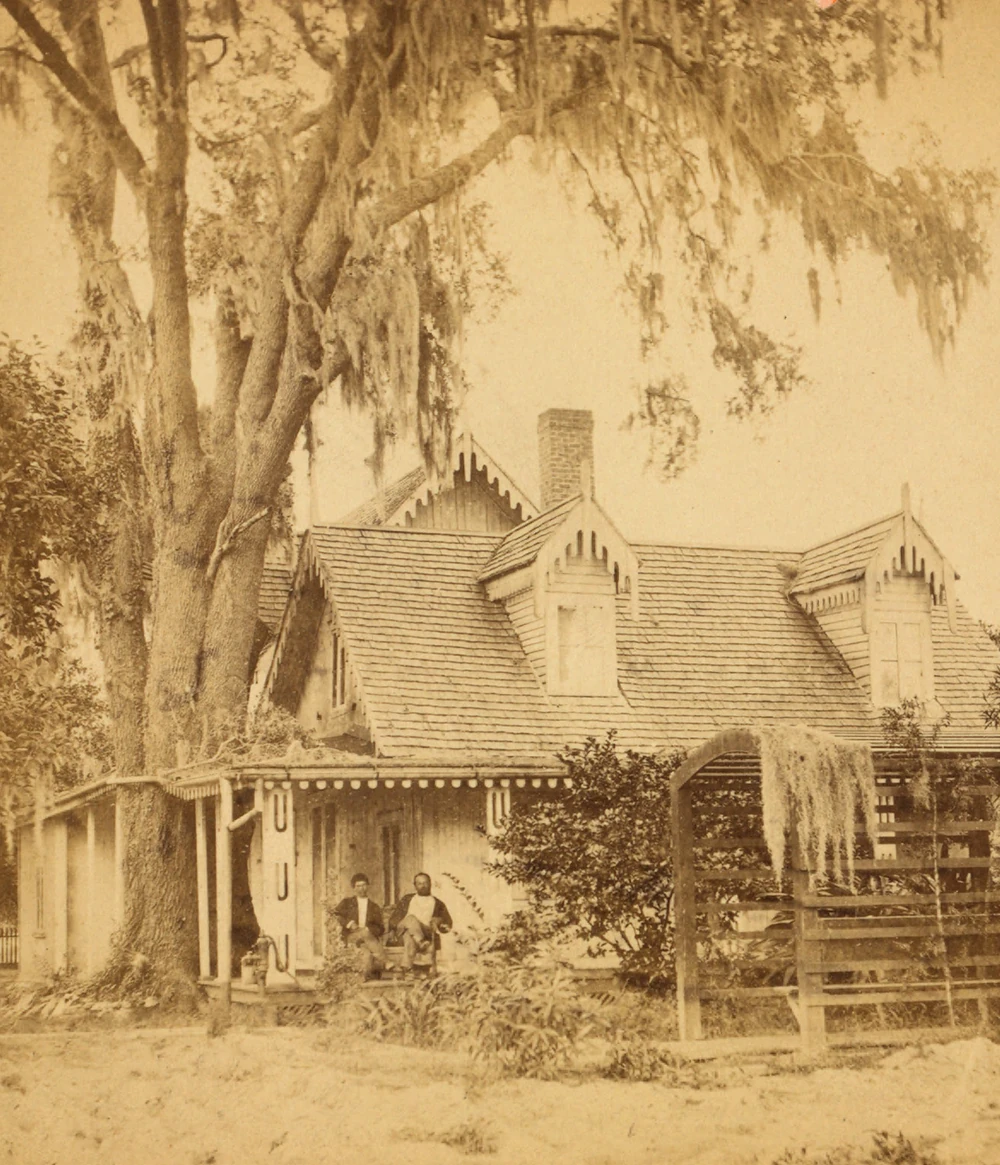
The Grove That Came With Two Houses
The Estancia gate borrows a Spanish word for a working country estate, and it turns out to fit the ground under it. For the whole citrus century west of Orlando, a grove this size usually held two houses: the owner's, and a second one for the family who actually lived on the land and ran it. A local history for Estancia at Windermere, Lake Down, Orange County, Florida, from Orange Tiny Homes.
 Read the full story →
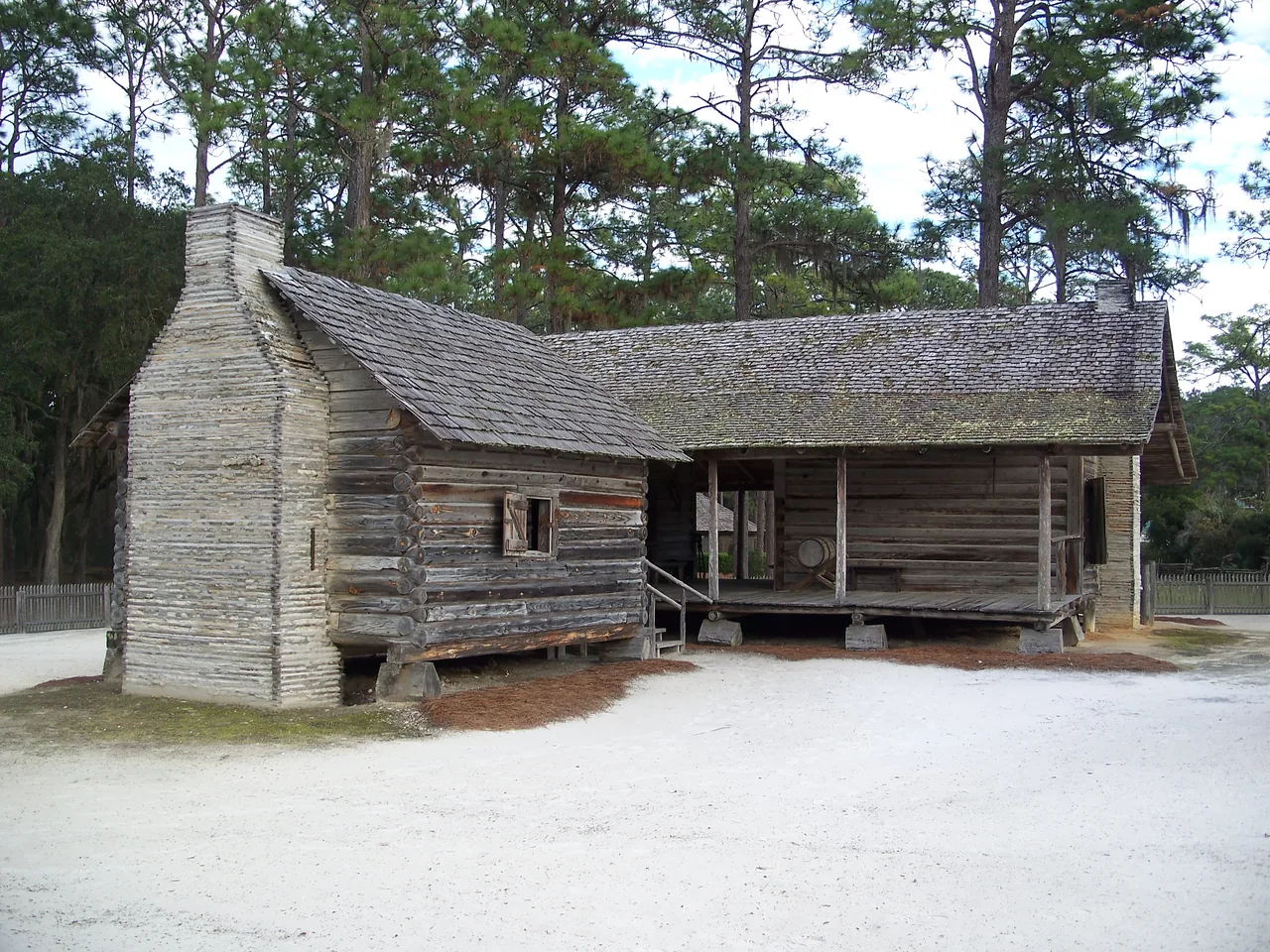
The Kitchen Used to Stand Out in the Yard
For most of the time people have lived west of Orlando, a home wasn't one building. It was a main house and a little crowd of others out back, starting with the kitchen, which stood off by itself on purpose. The backyard cottage is the oldest habit in this grove country, not the newest. A local history for the Estates at Lake Clarice in Windermere, Orange County, Florida, from Orange Tiny Homes.
 Read the full story →
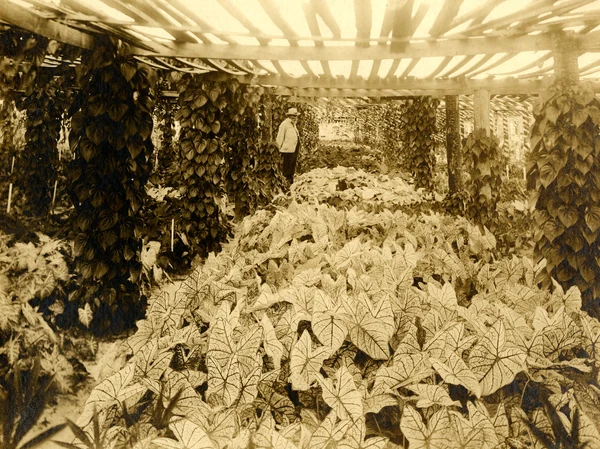
The First Famous Thing in Orange County Was a Backyard
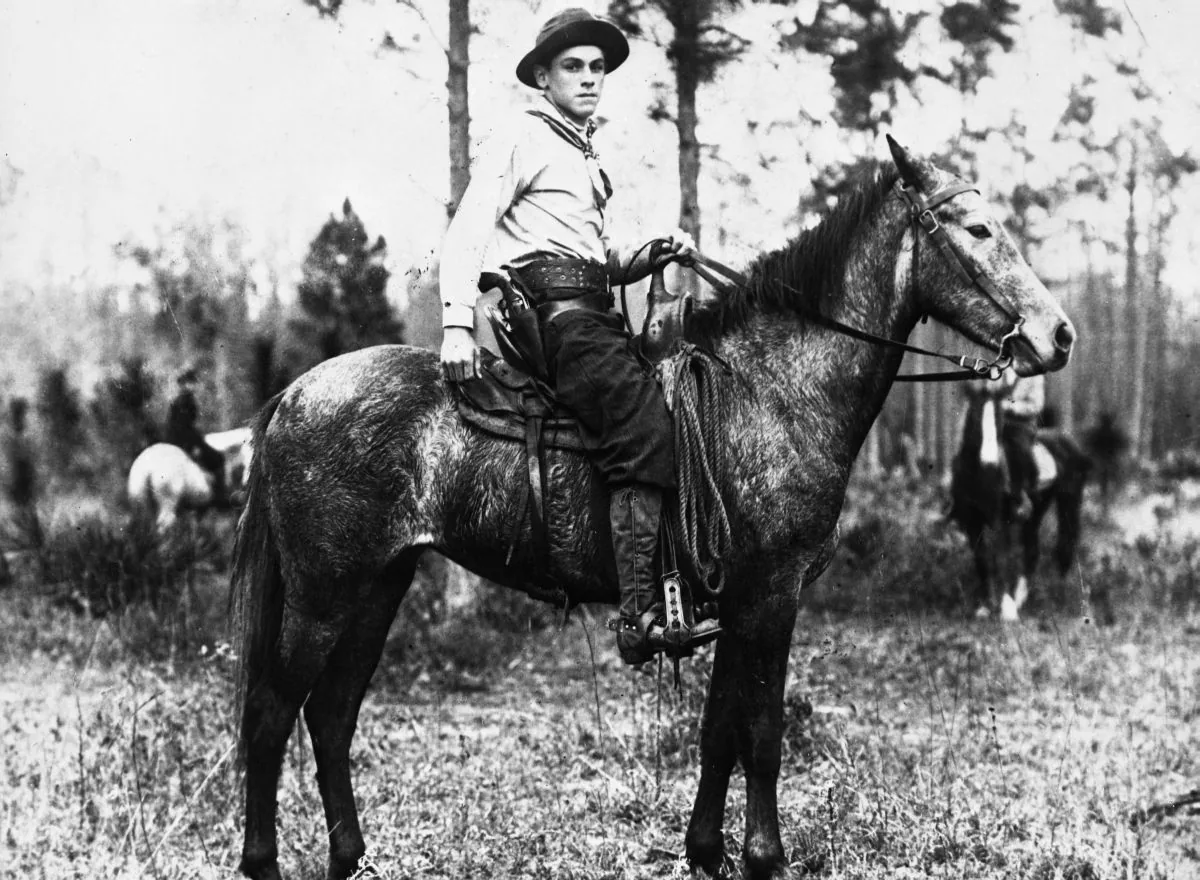
Before anyone drove to Orange County for a theme park, they drove out to a tiny German farm colony called Gotha to see a man's backyard. Henry Nehrling, a bird expert from Milwaukee, turned the acreage behind his cottage into one of Florida's first experimental gardens, and the brilliant caladium leaf you see in planters all over the state traces back to it. The core survives on Hempel Avenue in Gotha, the same community Lake Crescent Reserve sits in, where the old habit of a generous piece of ground with room out back is still the point.
 Read the full story →
For a Hundred Years,the Cow Had the Right of Way
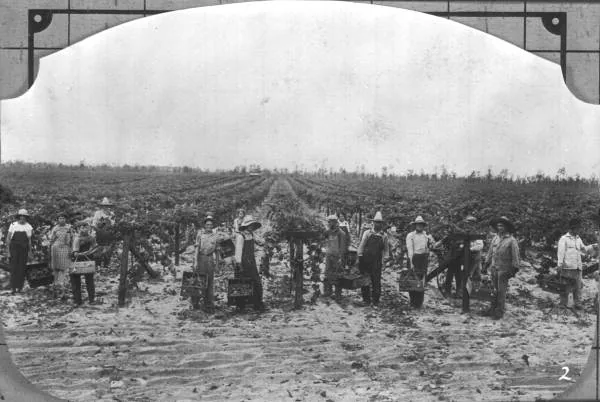
Before the groves and the gated streets around Windermere, Orange County was open cattle range, and the law was on the cow's side. You fenced your garden to keep cattle out, not in. Then in 1949 Florida became the last state in the country to make you fence your herd in, and the line it drew is the lot line your backyard still sits inside. Near Lake Cawood Cove, the old habit of a roomy piece of ground is why there's still space out back.
 Read the full story →
The County That Almost Chose Wine
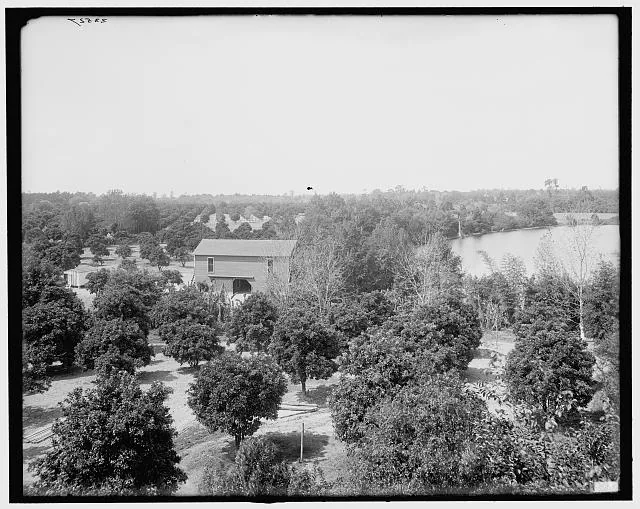
At the corner of Lake Cawood Estates in Windermere, the main road carries a strange name for orange country: Winter Garden Vineland Road. Behind that word is a lost decade when the smart money in Orange County bet this sandy ground would become wine country, planted hundreds of acres of grapes around Orlando, and watched a disease nobody could see erase all of it. What survived was the room it was planted on.
 Read the full story →
The Lake With a Name From the Other Side of the World
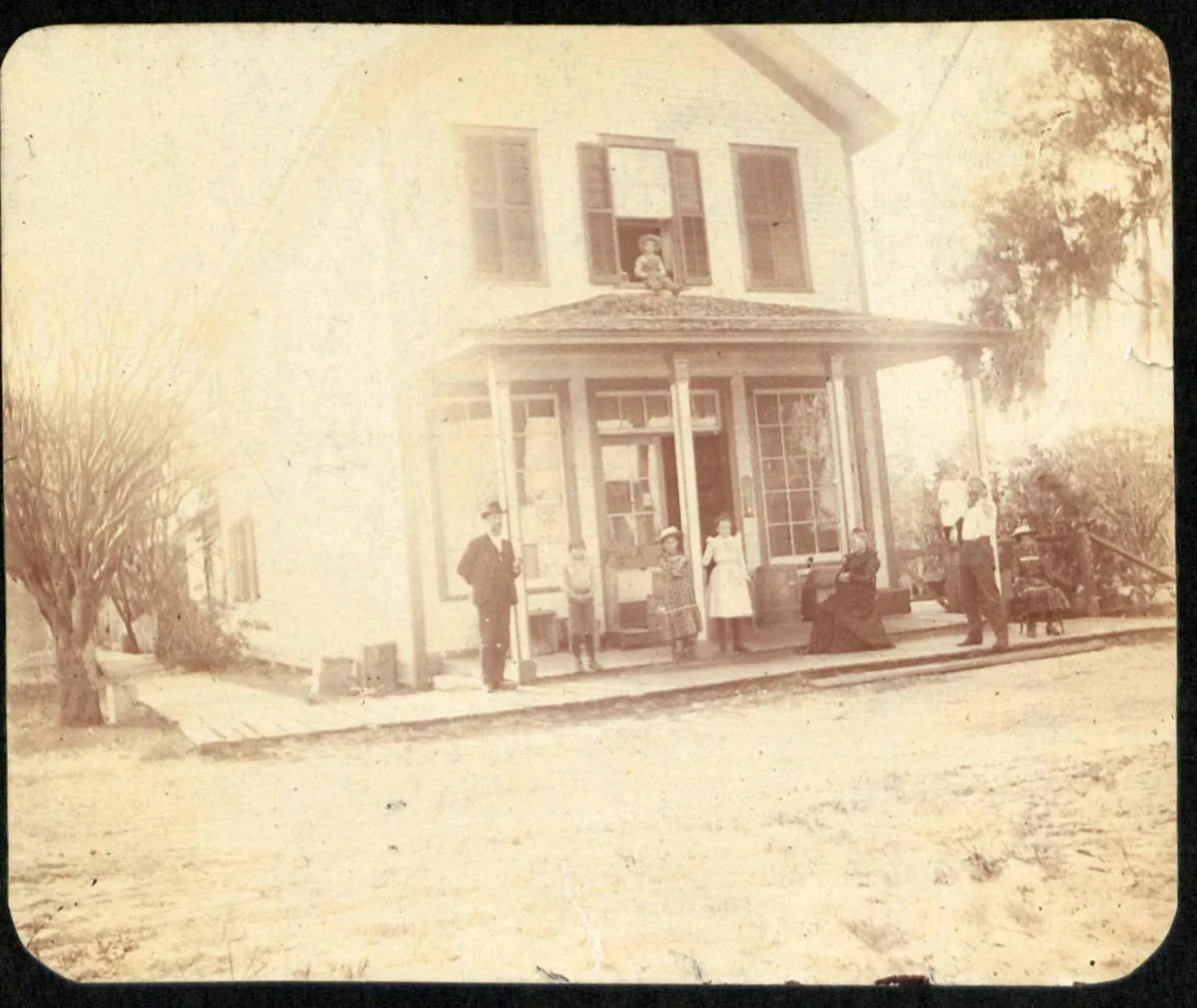
West of Orlando the lakes are named like a family Bible: Butler, Down, Bessie. Then there is Lake Buynak, carrying a name out of the Carpathian borderland near Lviv, on a small lake in orange country. How it got there is the story of a corner of Orange County that was cheap grove-and-ranch ground, room enough for a newcomer to arrive and spread out, and still is.
 Read the full story →
They Built a Bowling AlleyBefore They Built a Church
On the west side of the Butler Chain near Windermere, a printer from Buffalo bought a thousand acres, mailed Florida to Germany, and drew a town for freethinkers who put a gymnasium and a bowling alley where a church usually goes. The oranges froze. The habit that built the place, get a piece of ground with room and put what you want on it, is why Lake Butler Estates is still big lots under old oaks.
 Read the full story →
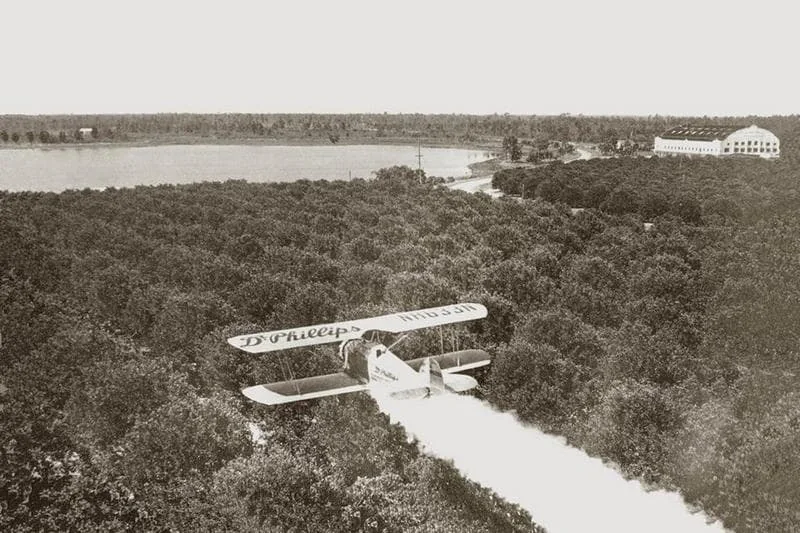
The Biggest Orange Grove on EarthHad One Owner
Stand on a dock in Lake Butler Harbor, in the Dr. Phillips and Bay Hill country of southwest Orlando, and the water looks like the whole reason anybody built here. It wasn't. This ground was the inside of the largest orange grove on earth, owned almost entirely by one man, Dr. Philip Phillips. The groves are gone. The room they were planted on is what's left.
 Read the full story →
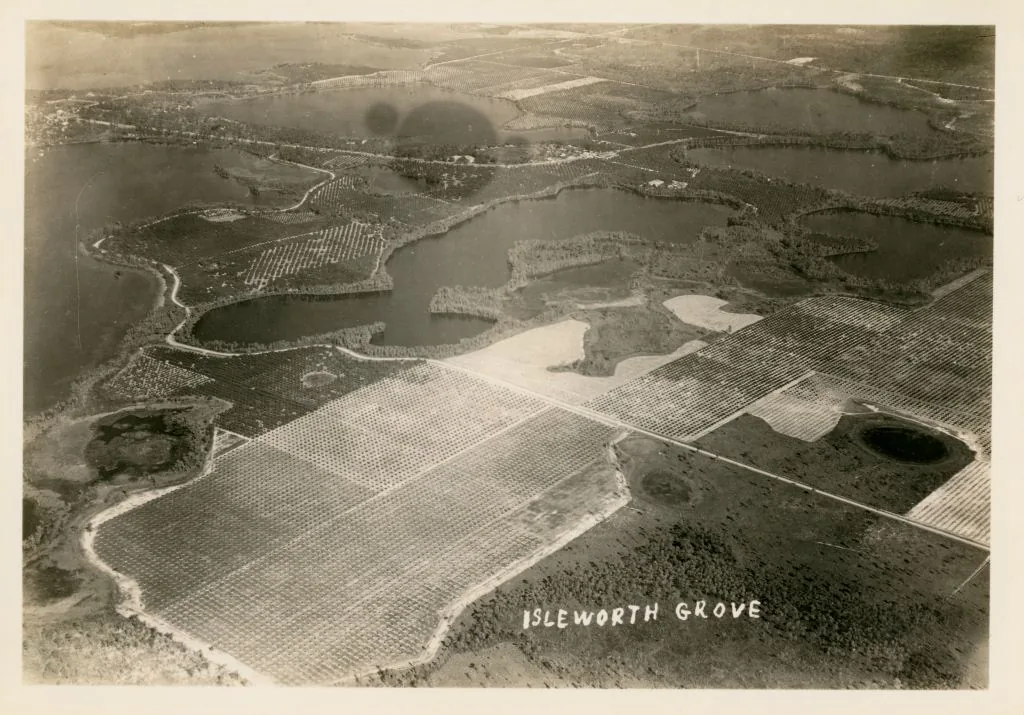
They Named It the Isle of WorthBecause the Cold Couldn’t Reach It
On the west side of Orlando, a chain of lakes was once wrapped in orange groves. One of them, 1,300 acres a Philadelphia family called the Isle of Worth, was planted on a bet the frost could never find it. It did, twice. The citrus history under Windermere subdivisions like Tilden's Grove, and the one thing the freezes couldn't take: the room.
 Read the full story →
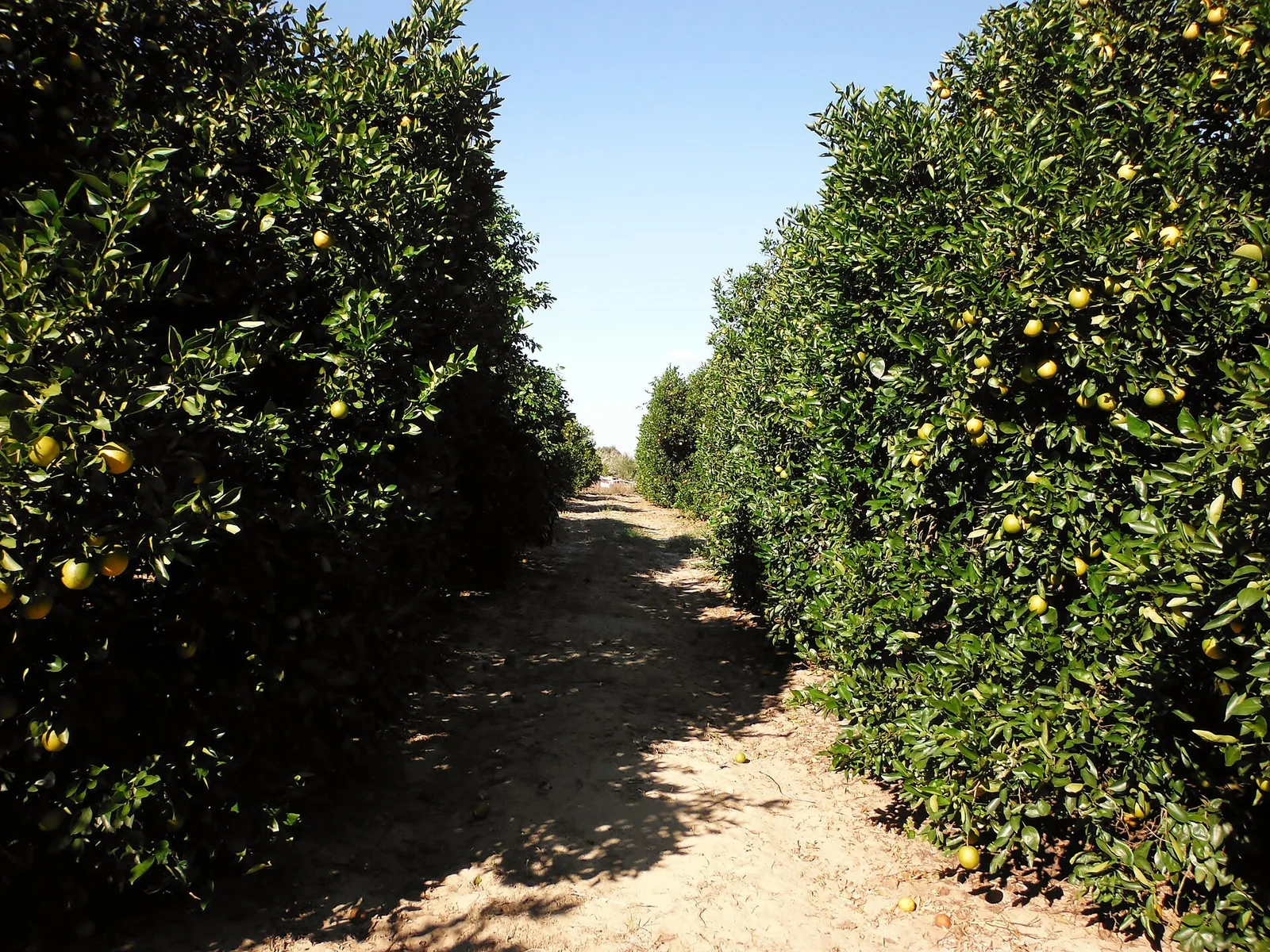
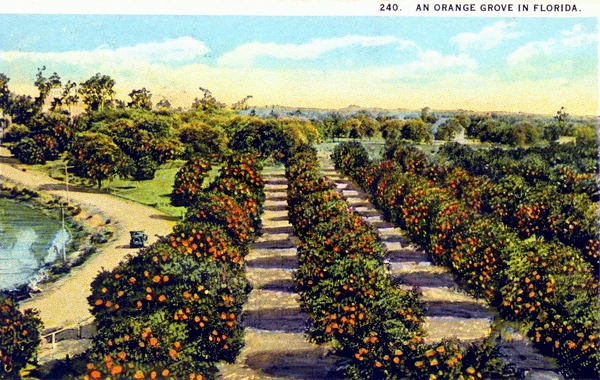
The Grove Froze. So the Growers Drew a Town.
The land under Bellaria, on Lake Burden in southwest Orange County, was orange-grove and cattle country until the freezes of the 1980s killed the citrus for good. Trapped growers did something strange with the dead groves: they sat down and planned a whole town. An illustrated local history for Orange Tiny Homes.
 Read the full story →
Dr. Phillips Wasn’t Really That Kind of Doctor
A gated street called the Reserve at Cypress Point sits on ground that was once the largest orange-grove empire on earth, run by a man the whole southwest side of Orlando still calls Doc. An illustrated local history from Orange Tiny Homes.
 Read the full story →
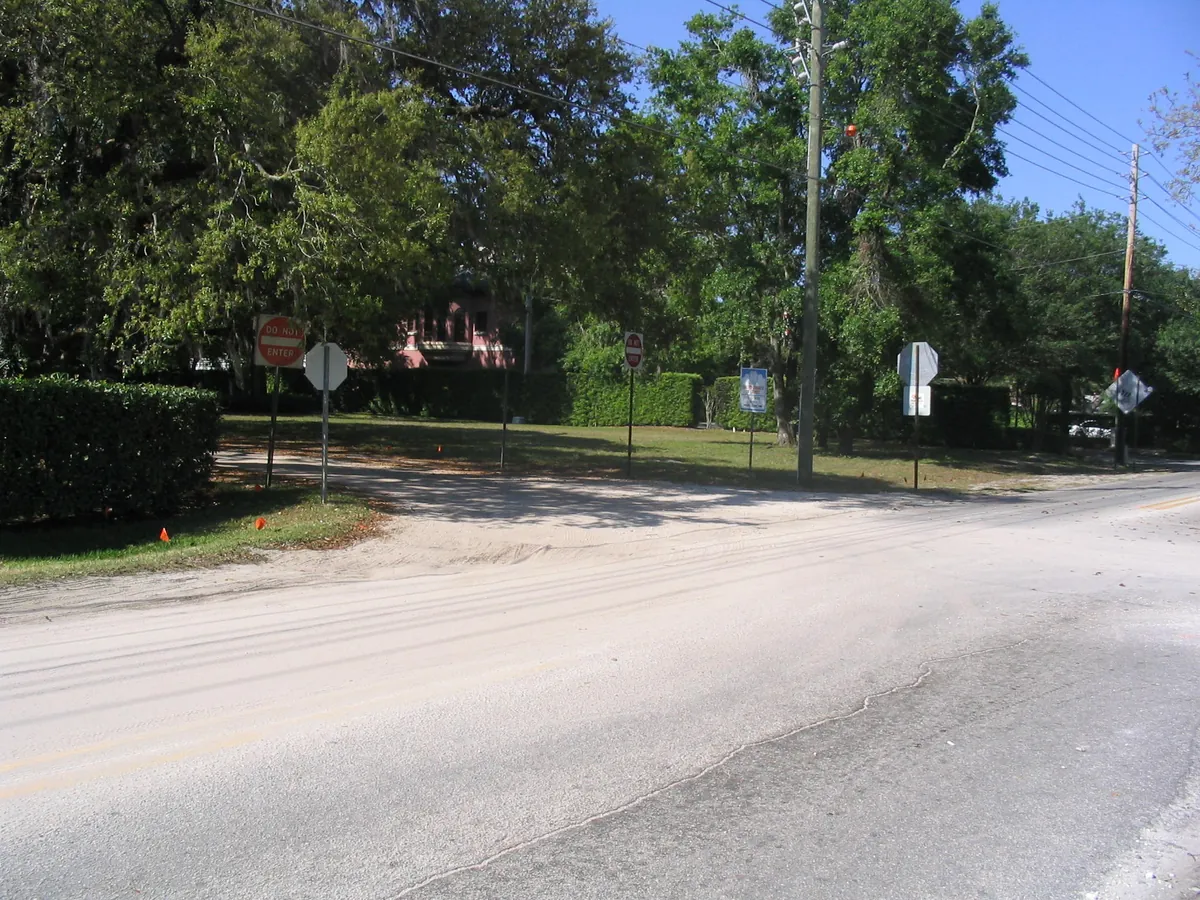
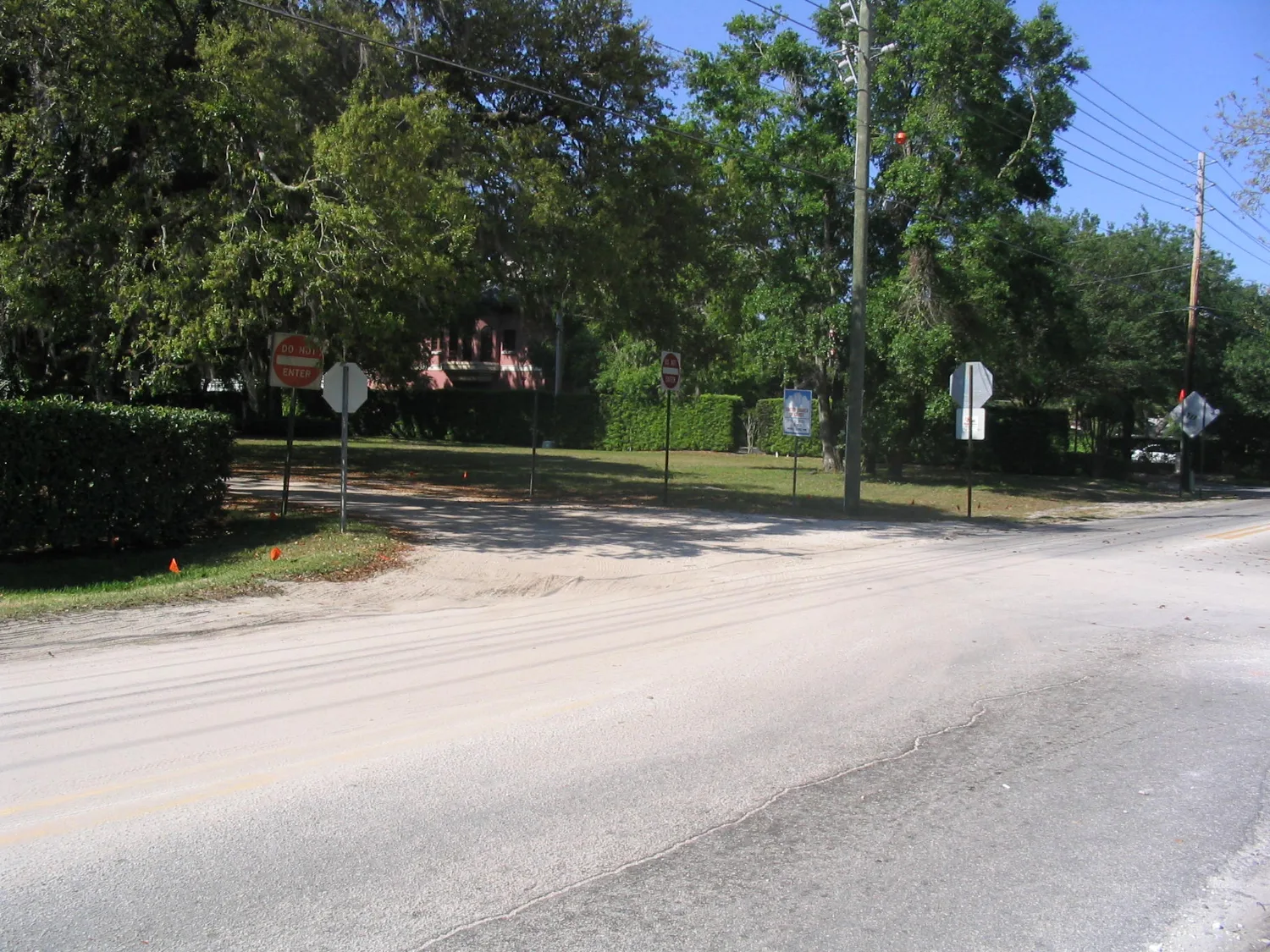
Why the Streets Around Lake Down Are Still Made of Sand
On the isthmus between Lake Down and Lake Butler, a little town planted a world of oranges, lost every grove in two cold nights in the 1890s, and decided the thing worth keeping wasn't the fruit — it was the room. Sand roads, big lots, space to spread out and build what you need. An illustrated local history from Orange Tiny Homes.
 Read the full story →
The Town That Kept Its Dirt Roads on Purpose
Windermere grew up on orange groves strung between the lakes. Two winters of freeze killed the oranges, but the big grove-shaped lots stayed, and the town decided to protect the room on purpose. An illustrated local history of Windermere, Florida, home of Casabella.
 Read the full story →
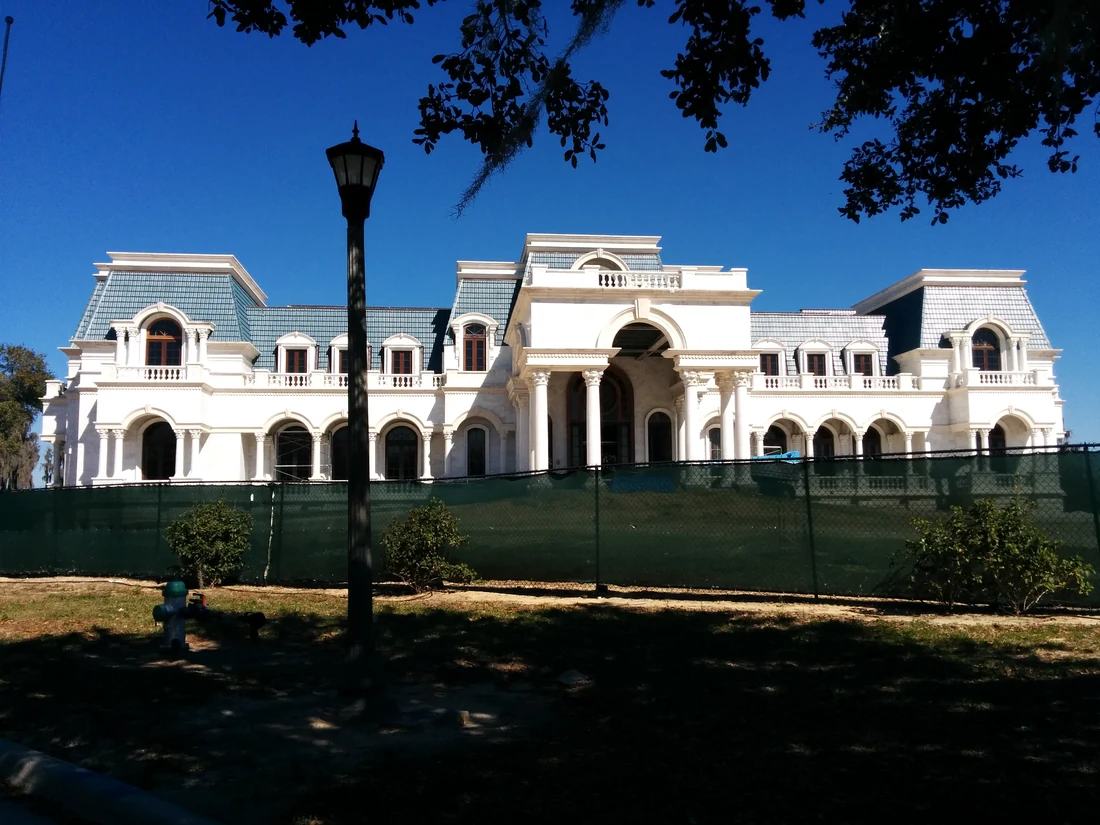
When Versailles Came to a Lake in Florida
On a gated shore near Windermere called Lake Butler Sound, a timeshare king set out to build the biggest single-family house in America — 90,000 square feet named after the Palace of Versailles. Then the money froze. It's the oldest Central-Florida impulse there is — get a piece of ground with room and build — taken as far as it will go. An illustrated local history from Orange Tiny Homes.
 Read the full story →
The Lake Named for the Man Who Drew the Lines
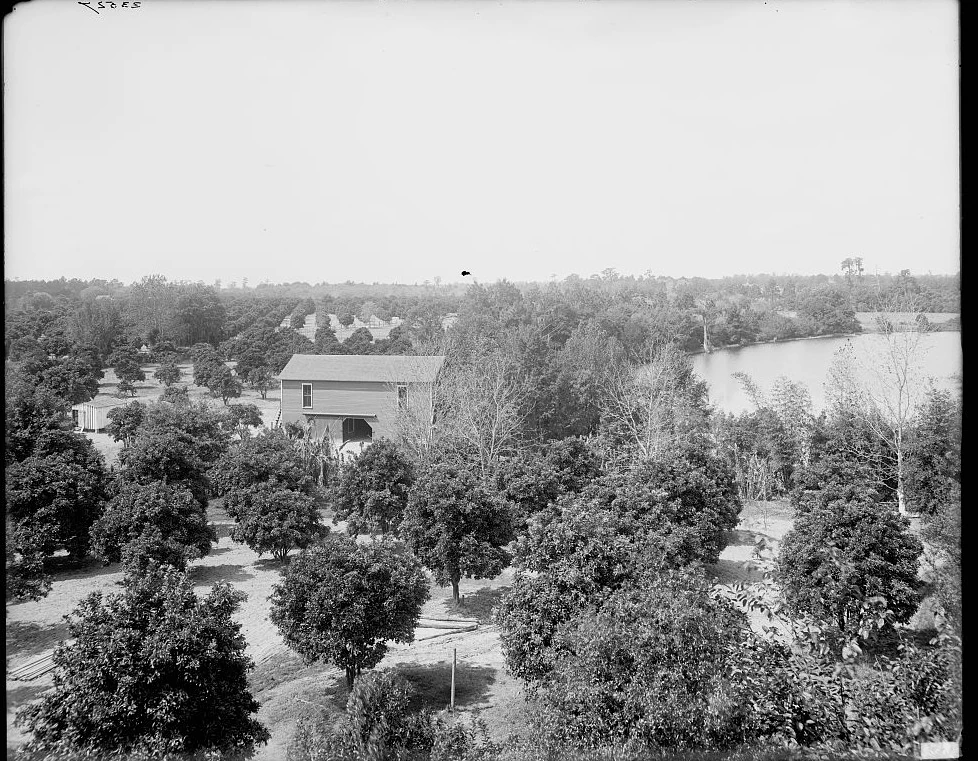
Lake Butler is the biggest of thirteen clear lakes west of Orlando, ringed now by gates. It carries the name of Robert Butler, the first Surveyor General of the Florida Territory — the man who in 1824 drove a single marker into the ground at Tallahassee that every property line in Florida is still measured from. An illustrated local history, with a present-day note from Orange Tiny Homes.
 Read the full story →
The Town That Got Rich and Kept Its Dirt Roads
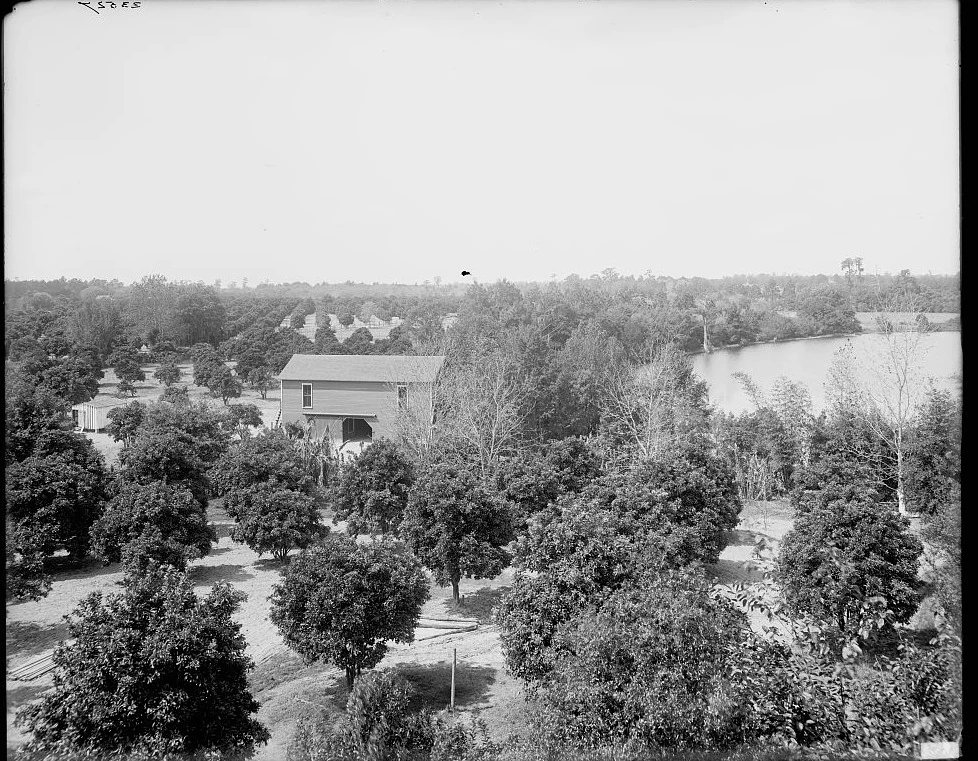
Windermere, just west of Orlando, has houses behind the gates that trade for millions and streets out front that are still dirt — kept that way on purpose. The reason runs back to a frontier bargain: 160 acres to anyone who'd build a house and clear five. The whole town, and the gated Chaine Du Lac community on the finger of land between Lake Down and Lake Butler, was built on one idea — room. An illustrated local history.
 Read the full story →
The Orange Picker Who Ended Up Owning the Point
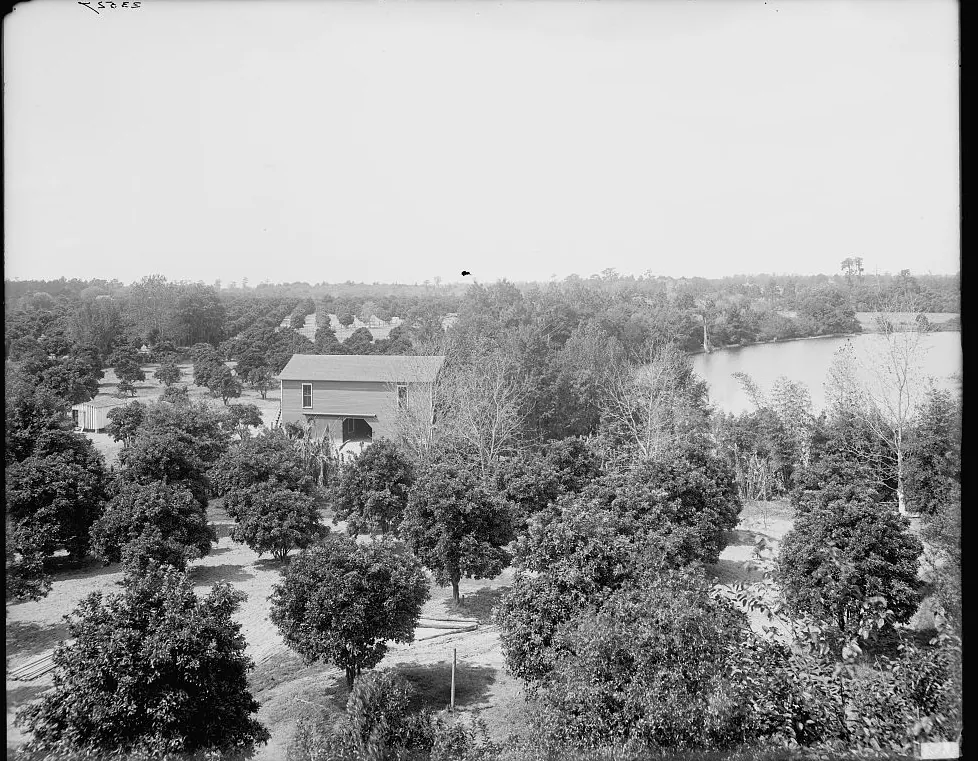
Keene's Pointe is a guard-gated golf community on the Butler Chain of Lakes near Windermere. It's named after R. Dolph Keene, who started his life in citrus on a ladder picking other men's oranges near Kissimmee, lived through the 1895 freeze as a boy, and spent sixty years getting more room — grove by grove, packinghouse by packinghouse — until a point of land on the lakes was his. An illustrated local history.
 Read the full story →
Before the Mansions, Isleworth Was the Orange That Didn’t Freeze
Isleworth is one of the most expensive gated addresses in America. The name has nothing to do with golf or mansions. Two citrus brothers called a patch of grove by the Windermere lakes the 'Isle of Worth' because its oranges kept surviving the freezes that ruined everyone else — and when the Great Freeze of 1894–95 sent growers running, they did the opposite and bought more room. An illustrated local history of Isleworth, Florida.
 Read the full story →
Why Orlando Stops at a Blackwater River
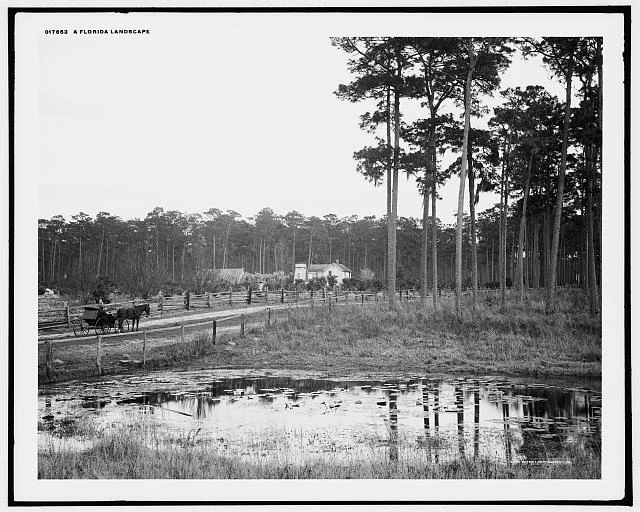
Drive far enough east out of Orlando and the subdivisions just end — at a tea-dark little river called the Econ. On the far side: cattle, palmetto, ten acres to a house, and a community that spent a decade keeping it that way. An illustrated local history of Lake Pickett, in east Orange County, Florida.
 Read the full story →
The Town That Grew the Country’s Houseplants
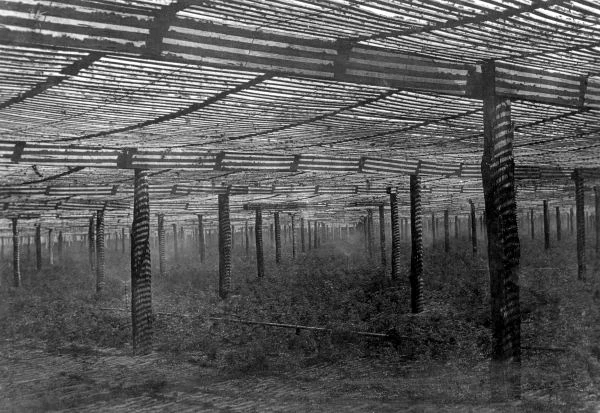
Everyone knows Apopka as a name on the turnpike north of Orlando. But for about a hundred years it was the Indoor Foliage Capital of the World. How a Central-Florida orange town lost every grove in two freezing nights, filled its back acres with slat-board shade, and ended up growing most of the nation's houseplants. An illustrated local history of Apopka, Florida.
 Read the full story →
They Named the Whole Town After a Fruit
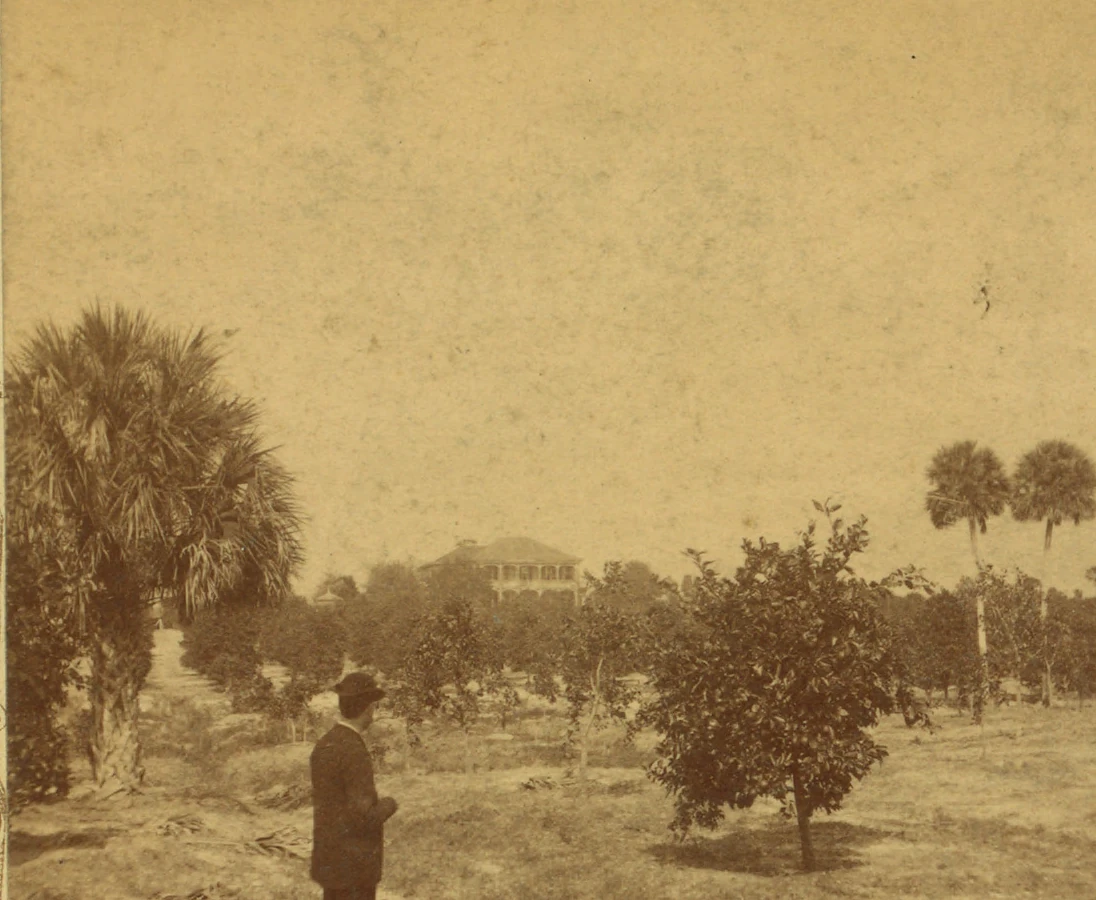
On the empty south shore of Lake Harris, the first settler's nearest neighbor was forty miles off — and he bet that the orange, a fruit that wasn't even native to Florida, would fill all that room with people. An illustrated local history of Yalaha, Florida.
 Read the full story →
There Really Was a Pine Castle
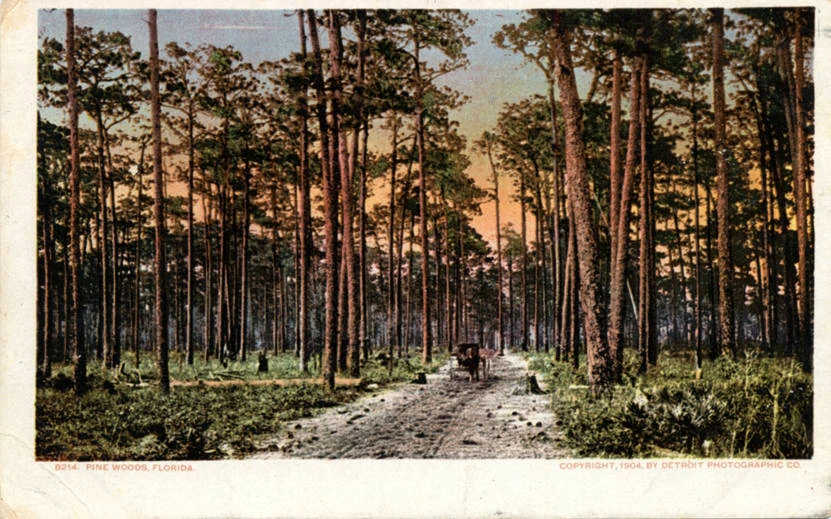
Everyone drives through Pine Castle, south of Orlando, assuming it's just a pretty name. It isn't. A heartbroken Kentucky editor built an actual castle out of pine trees on the shore of Lake Conway, wrote Florida into the national imagination, and left a whole town the name of a house that burned over a century ago. An illustrated local history of Pine Castle, Florida.
 Read the full story →
Before the Lots Got Small, Astatula Had Nothing But Room
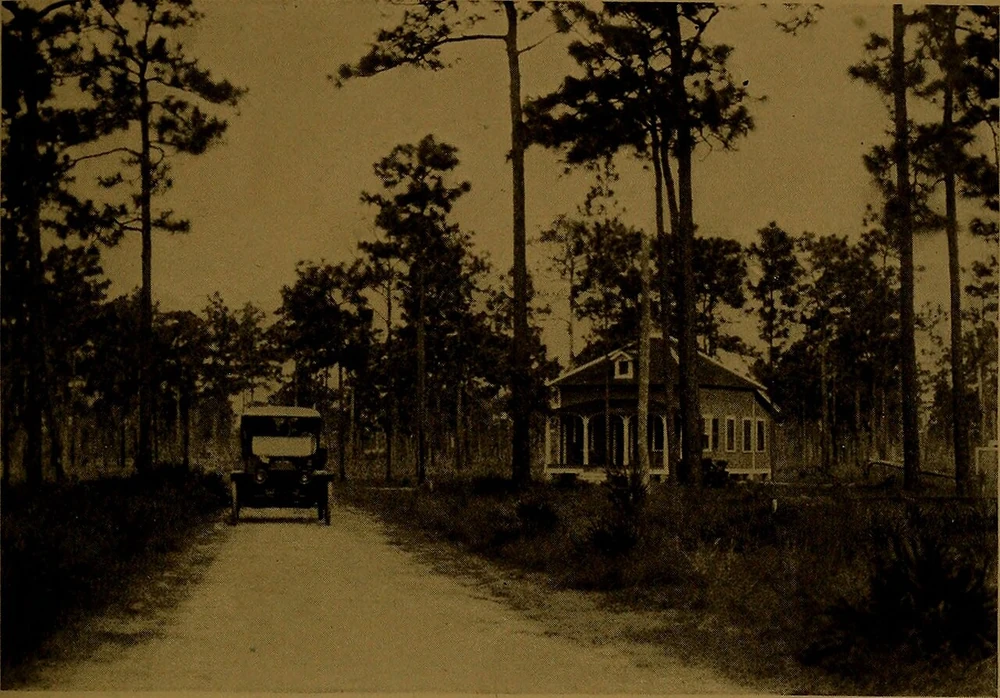
A family cleared pine scrub by a Lake County lake the old maps called sparkling waters, and made it into cotton, corn, cattle, and citrus all at once — never the one perfect crop. The teenager teaching in its little log schoolhouse grew up to run the U.S. Army. An illustrated local history of Astatula, Florida.
 Read the full story →
The Town That Borrowed an Orange From Italy
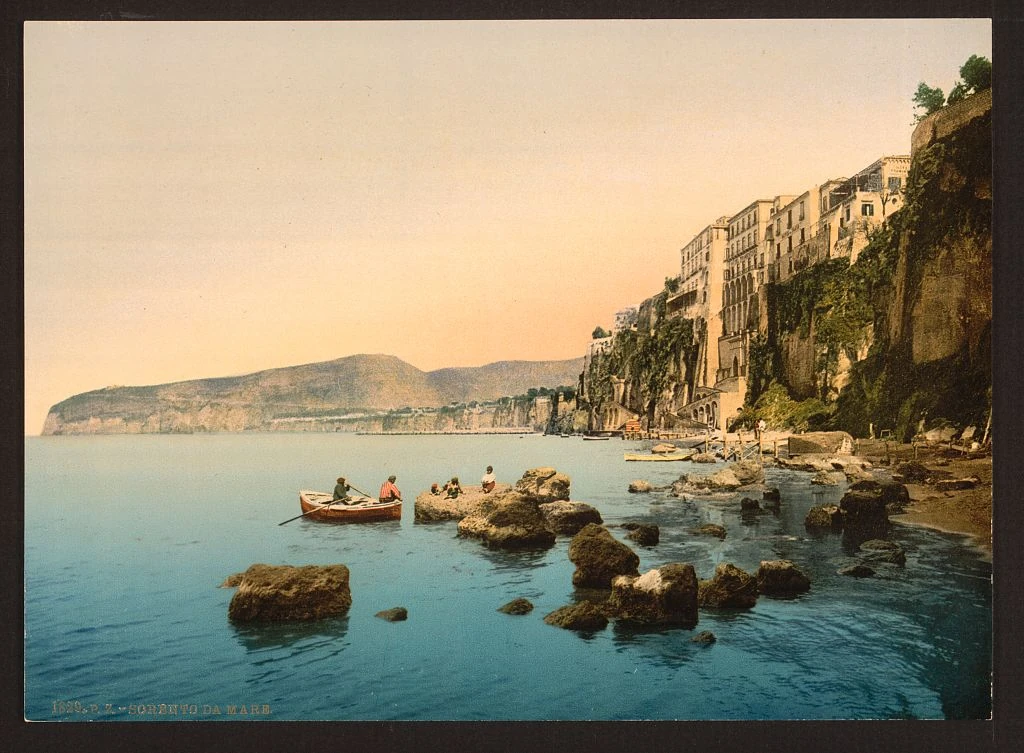
Settlers named a patch of Lake County scrub after Sorrento, Italy, the famous orange-and-lemon town by the sea, and bet the place on citrus. Then two freezing nights in the 1890s killed almost every tree in the county. An illustrated local history of Sorrento, Florida.
 Read the full story →
The Swamp They Named After the President
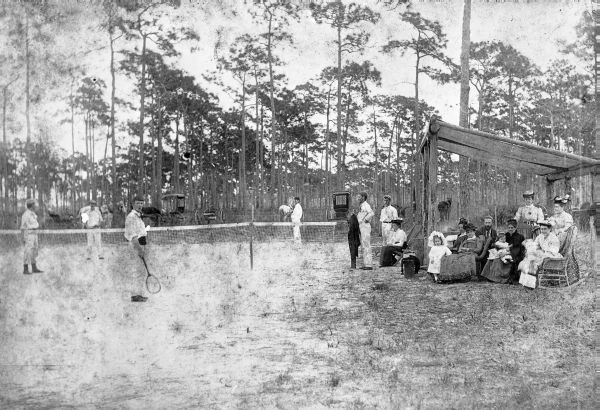
In 1909 two men cut sixty thousand acres of wet Orange County scrub into about three thousand little farms, sold them ten dollars down to people who had never seen the ground, and named the town after the sitting President so a muck colony would sound like a sure bet. An illustrated local history of Taft, Florida.
 Read the full story →
When the English Came to Grow a Fortune in the Scrub
In 1883 a London solicitor bought 12,640 acres of raw Florida frontier on East Lake Tohopekaliga, carved it into orange farms, and sold them to his countrymen with a promise of easy money. For about ten years, out past the end of everything, it almost worked. An illustrated local history of Narcoossee, Osceola County, Florida.
 Read the full story →
The Year a Sand Hill Tried toBecome a Golf Capital
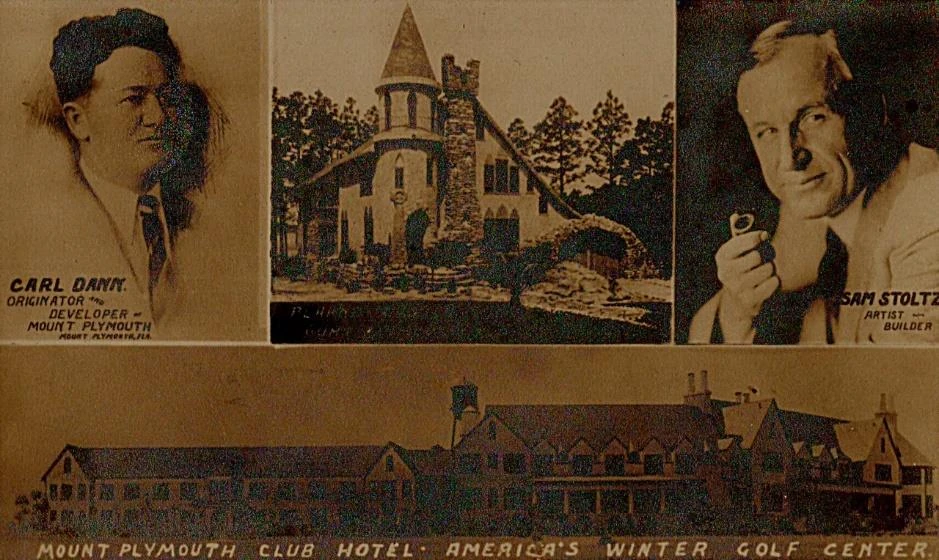
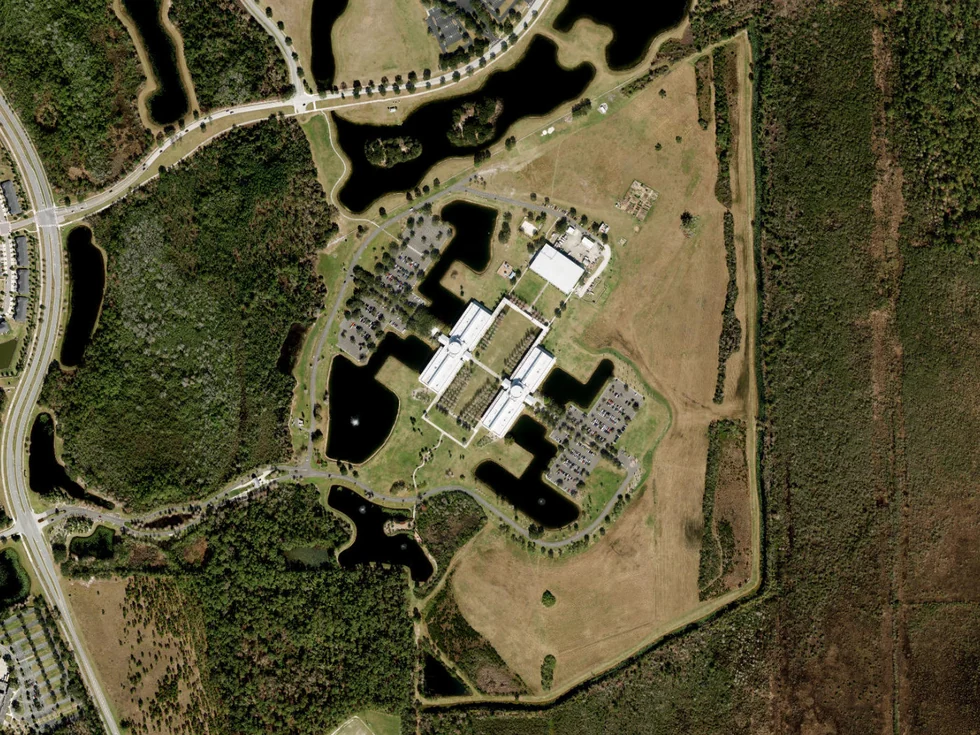
In 1926 a developer platted a whole resort city on the high sandy ground northeast of Orlando, called it a mountain, and promised America's winter golf capital. The boom broke first. An illustrated local history of Mount Plymouth, Florida.
 Read the full story →
The Cattle Corner That Had Room for a Whole Headquarters
Twenty miles southeast of downtown Orlando, the land around Lake Hart stayed open-range cattle and grove country so long that when one of the largest Christian organizations on earth went looking for room to build its entire world headquarters, this empty corner is where it landed. An illustrated local history of Lake Hart, Orange County, Florida.
 Read the full story →
The Grove Crossroads That Ended Up inEvery Freezer in America
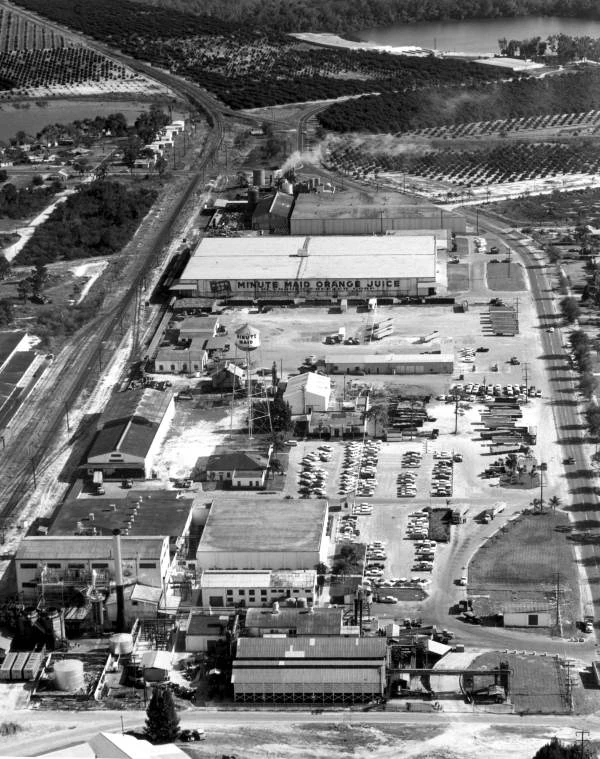
Northwest of Apopka, where US 441 crosses an old rail line, there’s a grove crossroads called Plymouth. It grew oranges like everywhere else out here — until a cancelled Army contract, a Boston dehydration company, and Bing Crosby turned a plant on its grove land into the thing that changed how the whole country drank breakfast. An illustrated local history of Plymouth, the birthplace of frozen orange juice.
 Read the full story →
The Town That Grew Out ofOne Man’s Orange Grove
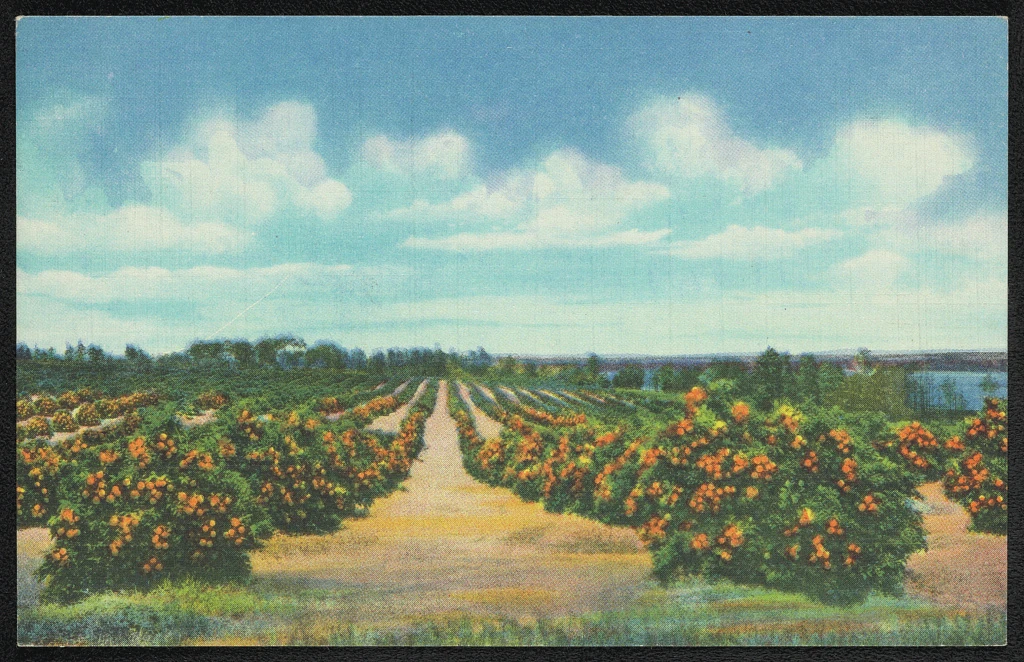
Between Winter Garden and Oakland there’s a stretch of old grove country named for one man — Luther Tilden, who came to Florida sick, bought 561 acres on the south shore of Lake Apopka, and grew a whole town on it. An illustrated local history of Tildenville’s citrus, its packinghouses, the families who picked the fruit, and the one thing that outlasted the groves: room.
 Read the full story →
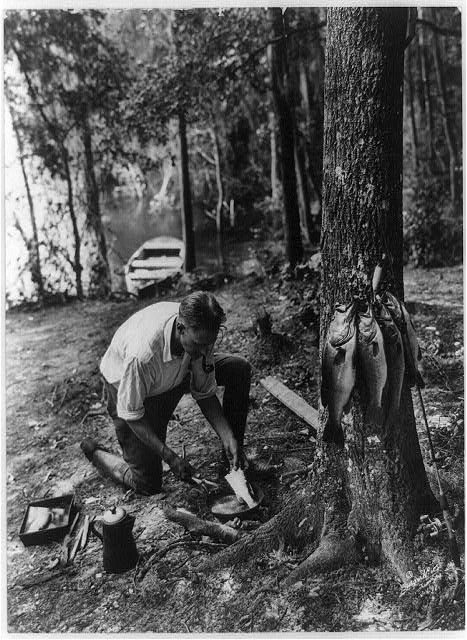
Before the Medical City,It Was Cattle Country
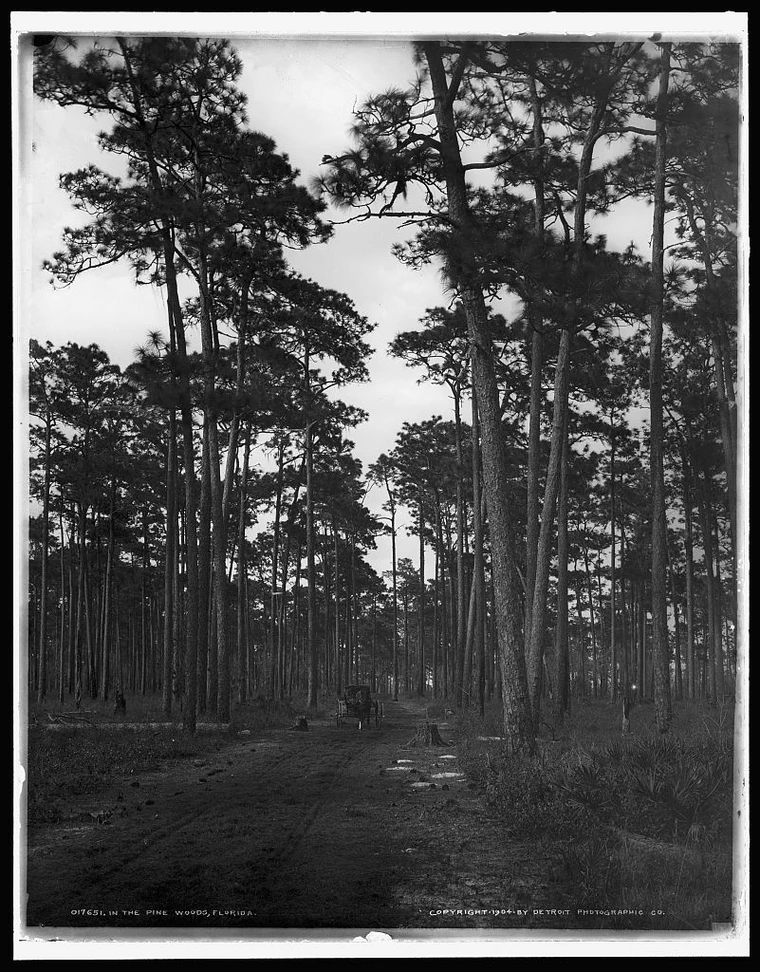
A few minutes past Lake Nona's chrome and glass, the road narrows and you're between two big lakes with a horse in somebody's yard. This is Lake Mary Jane. An illustrated local history of the turpentine, cattle, and groves of southeast Orange County — and the one thing the place never gave up: room.
 Read the full story →
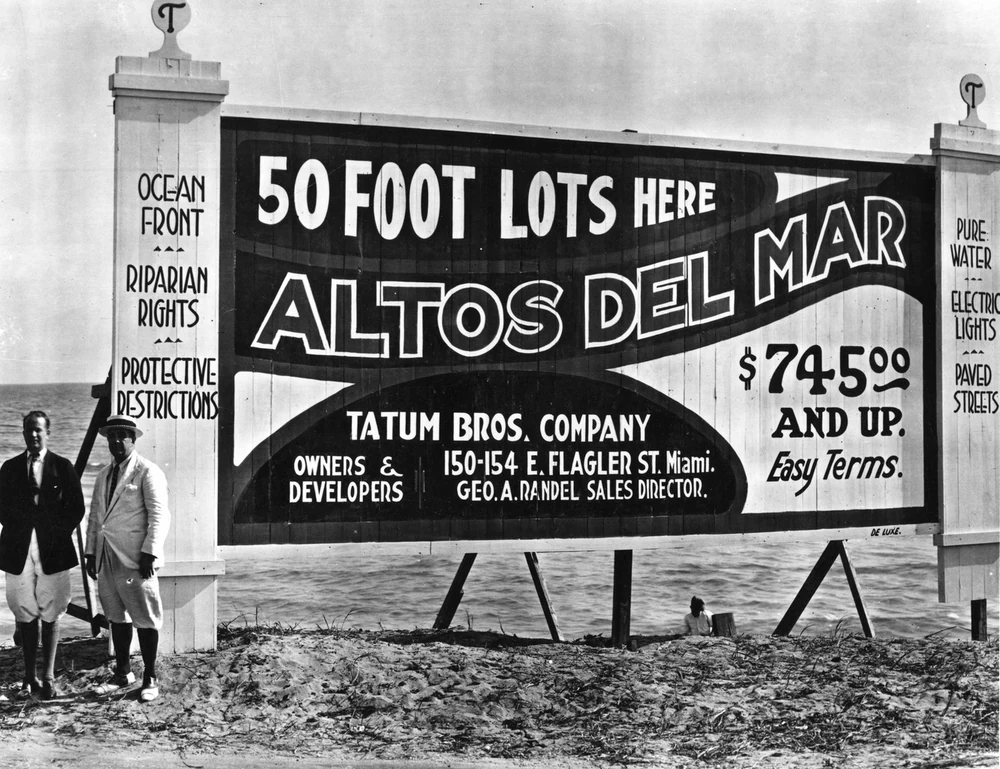
They Named It Paradisefor the Fishing
Up where Apopka runs into Ocoee there's a quiet, big-lotted place called Paradise Heights. The lake just down the hill was once the largemouth-bass capital of the world — and then it became the most polluted big lake in Florida. An illustrated local history of Paradise Heights and Lake Apopka.
 Read the full story →
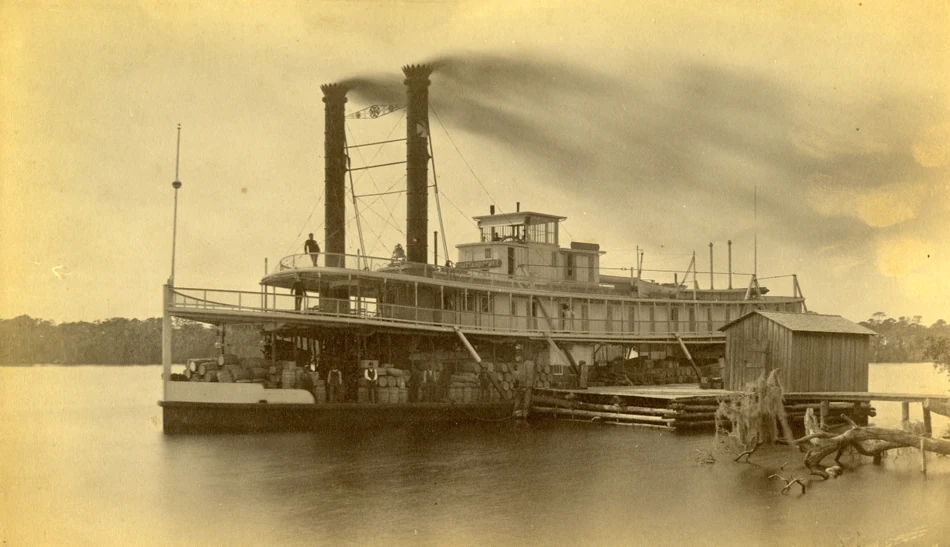
The City ThatStayed a Map
In 1925 Bithlo was sold as a city with six and a half miles of paved streets, a golf course, and lot buyers in states that had never seen Florida. Five years later it had 128 people. An illustrated local history of Bithlo, Florida — the boom town that stayed mostly a map, and the open land it left behind.
 Read the full story →
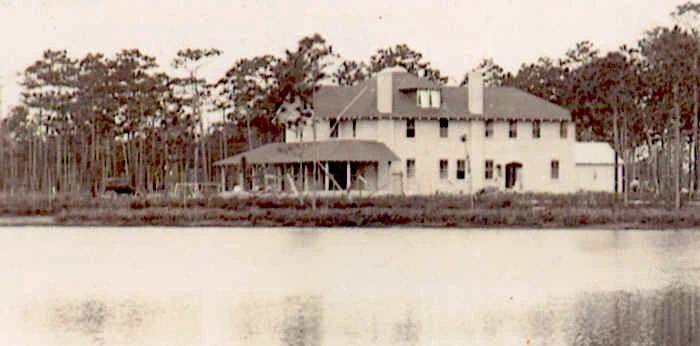
The Town That Sitson a Bubble
Everything around it filled in — Sanford, Oviedo, Lake Mary. Geneva stayed cattle and citrus and acre lots. The reason isn't that the growth never came. It's a pocket of fresh water, about the size of the town, floating on salt. An illustrated local history of Geneva, Florida.
 Read the full story →
The Hotel Flagler Builtin the Wilds
The richest developer in Florida built glittering palaces on the coast for the very rich. Then his company put a small brick hunting lodge out on a lake in the Chuluota pinewoods, past Oviedo, and bet the quiet little place would grow into a rival for Orlando. It never did. An illustrated local history of Chuluota, Florida — and the one thing it always had: room.
 Read the full story →
They Named the Whole TownAfter a Tree in Her Yard
A man who had just run the largest farmers' movement in America came to a little lake in the Orange County pinewoods to save his lungs, planted every acre he could reach in fruit, and then let the town be named not for himself but for one exotic little tree by a neighbor's front door. An illustrated local history of Tangerine, Florida — and the one thing the place always had: room.
 Read the full story →
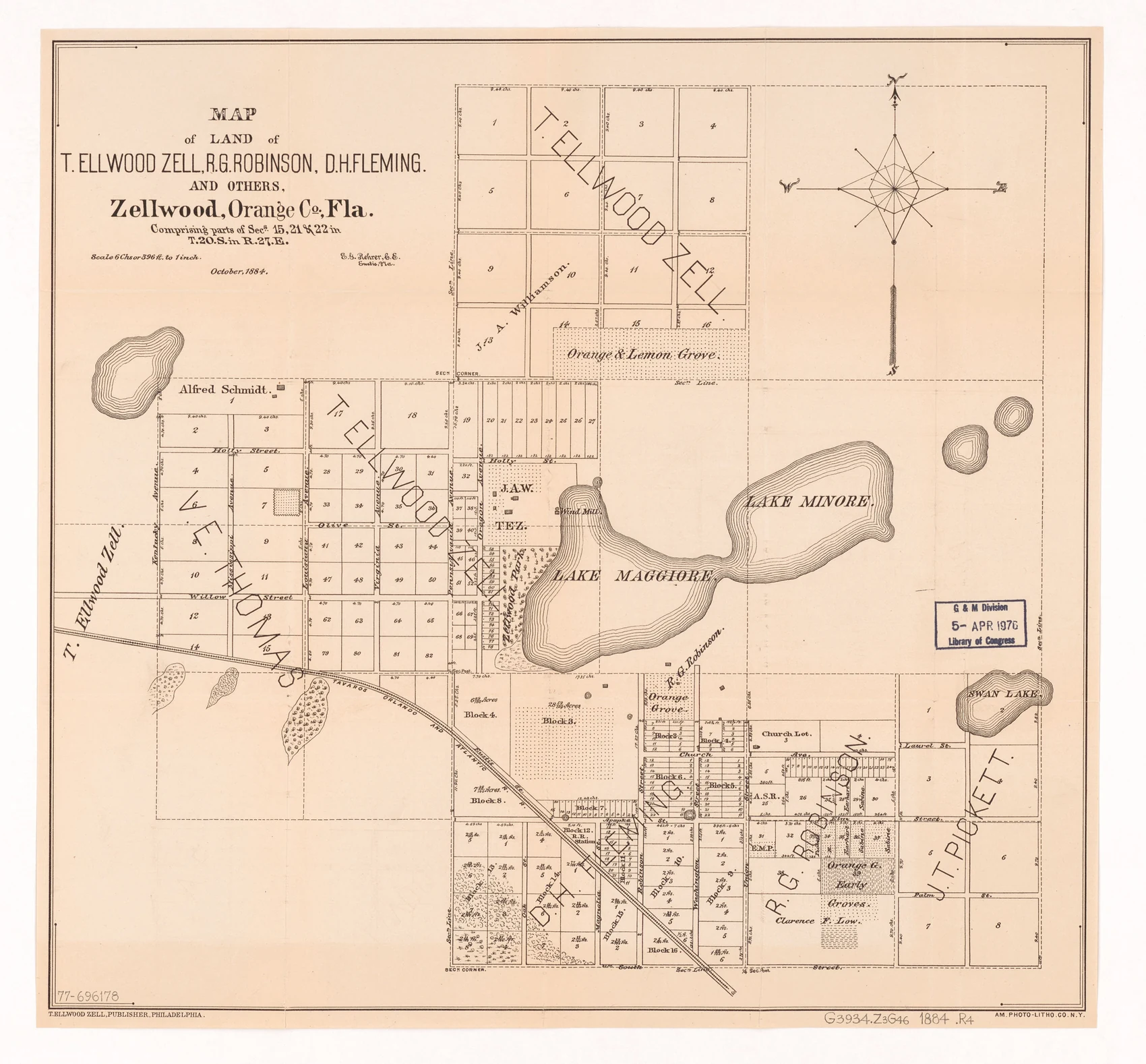
Before the Sweet Corn,Zellwood Was Sold by Mail
A Philadelphia encyclopedia publisher mailed scrapbooks of Florida to his old Army friends to talk them into wintering on grove land by two little lakes. A freeze killed the groves, so the town drained a lake and made 20,000 acres of new farmland that grew sweet corn like nowhere else. An illustrated local history of Zellwood, Florida — and the one thing it never ran short of: room.
 Read the full story →
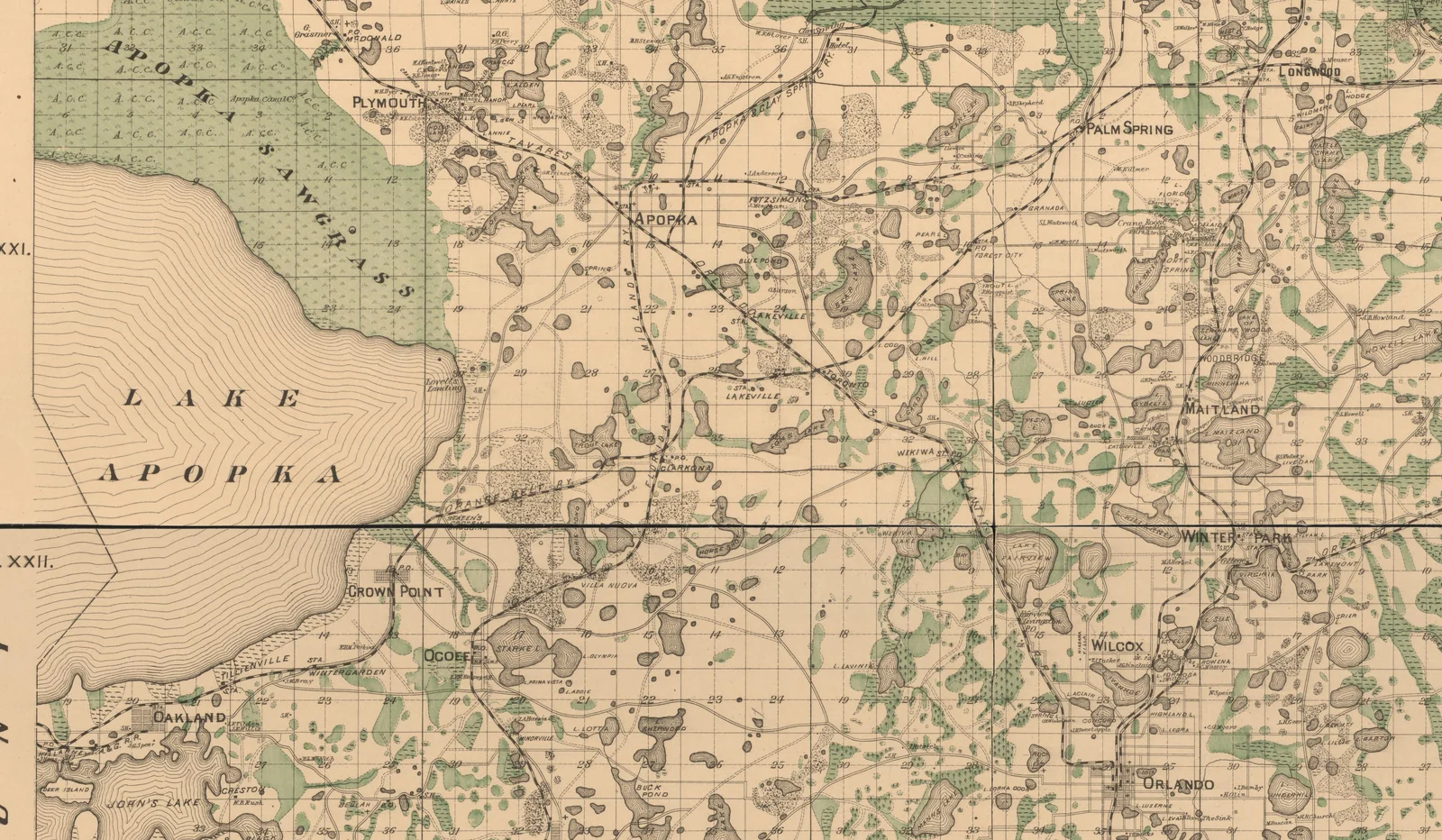
Before the Horse Farms,Clarcona Built a Three-Story Hotel
New England farmers whose northern soil had quit on them came down to a pine corner west of Orlando, got land almost for nothing, and built a whole town out back of nowhere — a church, a school, two railroads, and a three-story hotel. The 1894 freeze took the town. It never took the room. An illustrated local history of Clarcona, Florida.
 Read the full story →
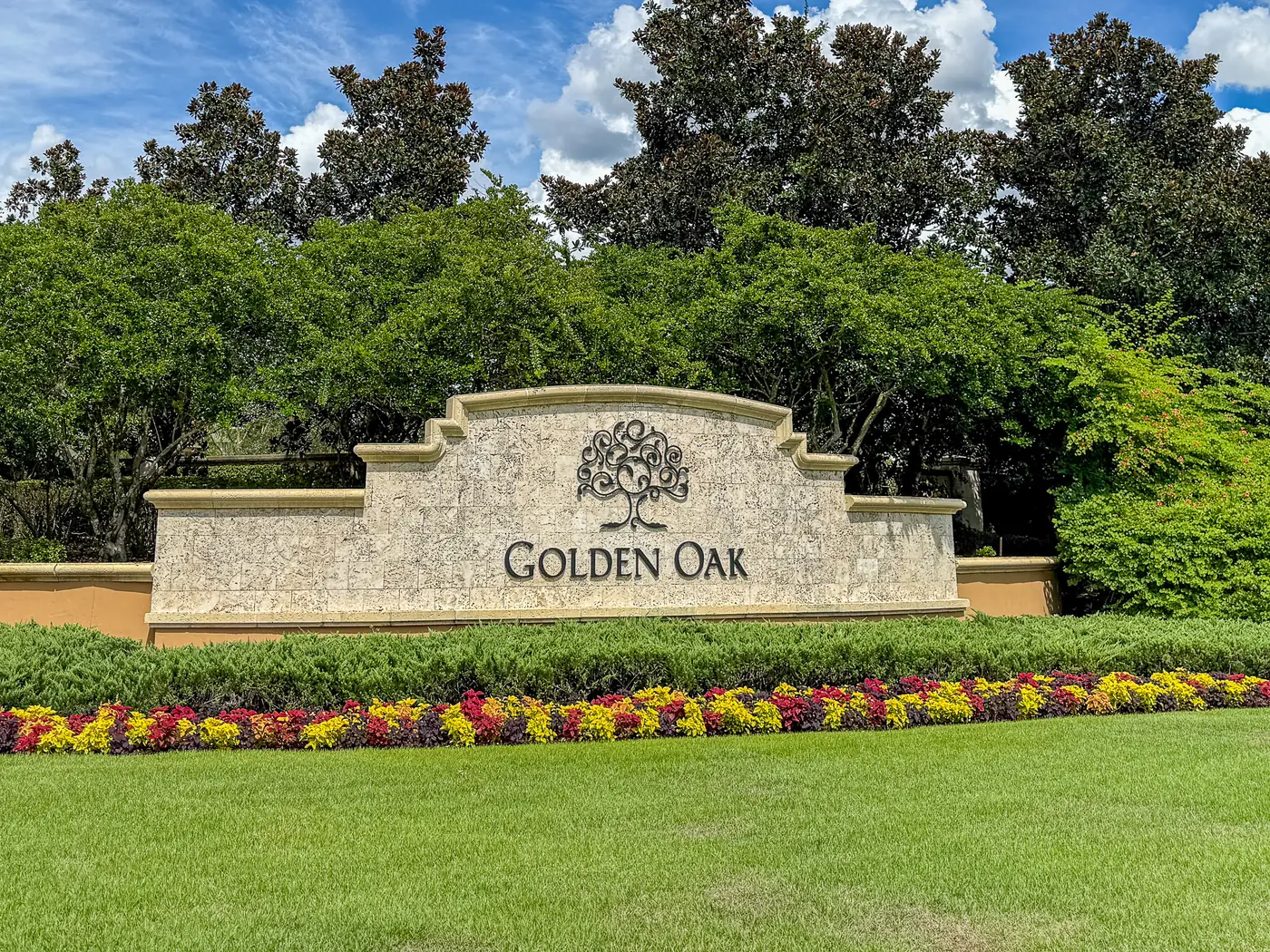
The One Address Inside Disney World That Disney Chose Not to Rule
Disney bought the ground in secret and sealed it inside a government of its own making. Then, before a single mansion rose under the oaks, it carved one corner back out and handed it to plain Orange County — so the most exclusive address in Florida pulls the same county permits your backyard does. An illustrated local history of Golden Oak.
 Read the full story →
Before the Horses,It Was Called Rocket City
In the early 1960s a developer drew a 20,000-acre city into the palmetto east of Orlando — a town for the men building the moon rockets. The town never really came. What stayed behind was room. An illustrated local history of Wedgefield, Florida.
 Read the full story →
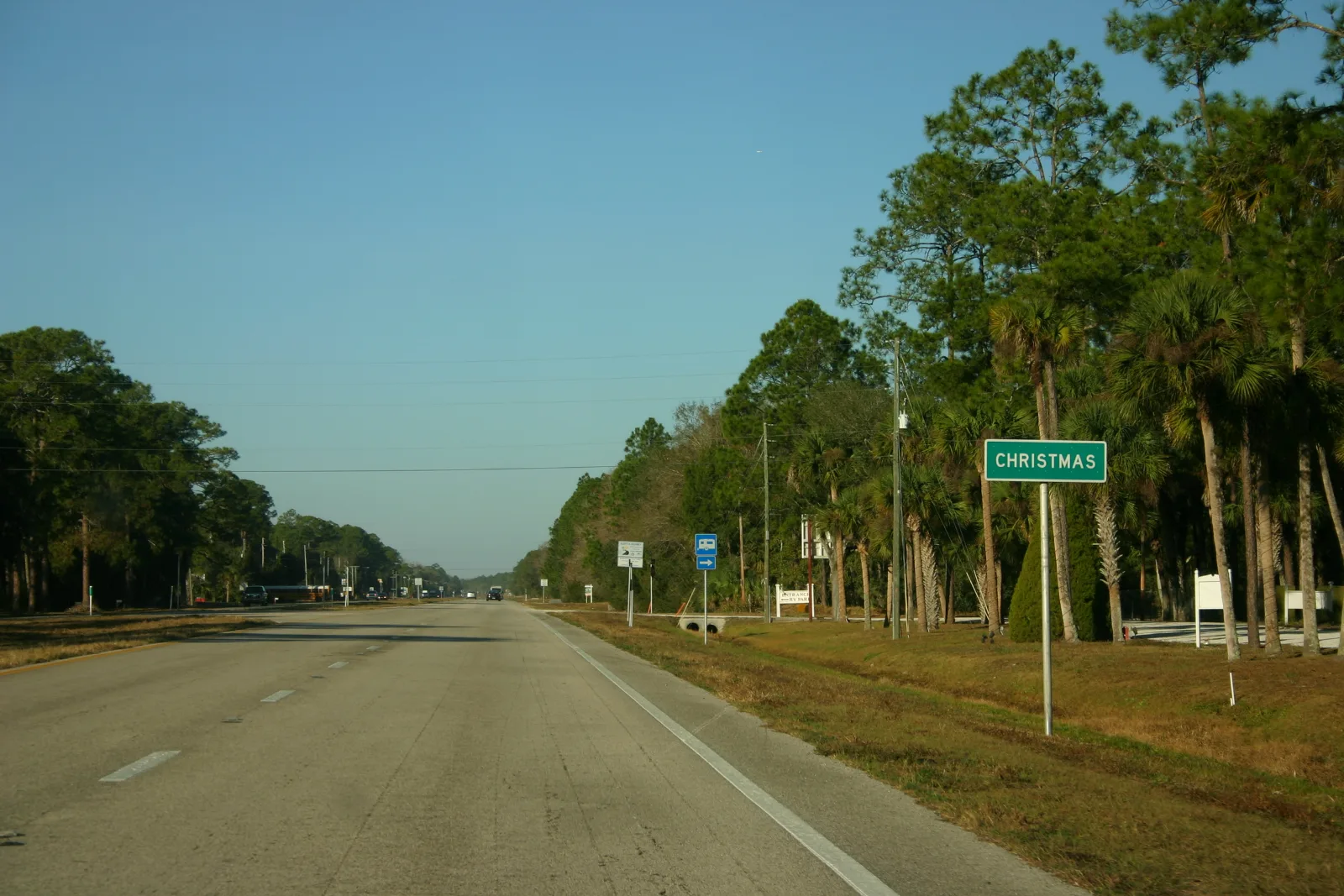
A Fort Named Christmas, and the Room It Left Behind
Two thousand soldiers built a stockade east of Orlando in a week, named it for the day they started, and marched off. What stayed was the land — and a Florida habit of spreading out and building what you need out back. An illustrated local history of Christmas, Florida.
Wondering if your lot has the room?
Send the address. We check the parcel — setbacks, flood, utilities, zoning — before you spend a dollar on plans.